
Toronto Opens a Rare Window Into What Should Never Go Down the Drain
A City tour of Strachan Pumping Station showed how wipes, grease and household items can clog sewers, raise flood risk and drive costly repairs.
Read this story in Persian (فارسی)
This report by Editorial team is based on information published by City of Toronto.
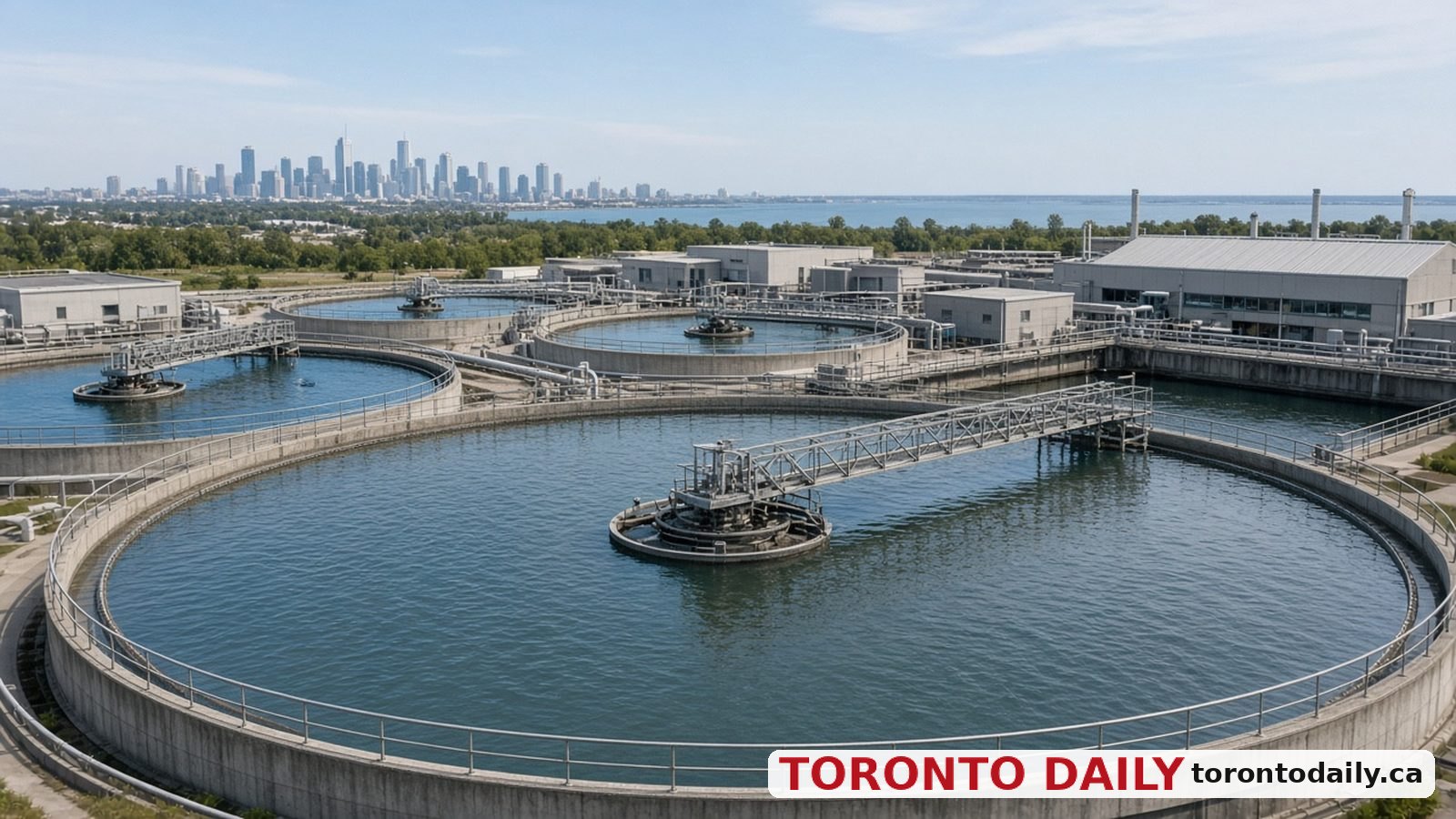
According to the City of Toronto, media were invited on October 8, 2026 for a rare look inside wastewater infrastructure at Strachan Pumping Station, at 1 Strachan Avenue. The facility is not normally open to the public. The City used the visit to explain what happens after wipes, grease and other household items are put down a drain.
William Shea, the City Director of Distribution and Collection, was scheduled to explain how preventable clogs contribute to sewer backups. The City also linked those blockages to increased flooding risk and to repairs that can be costly for homeowners and for the municipality. A clog that begins with one household item can therefore become a shared problem once it reaches a larger pipe.
The household habit behind many blockages
Products marketed for bathroom use are often assumed to disappear after flushing. The City message is different: items that do not break down like toilet paper can collect with grease and other debris. Cooking fat poured into a sink can cool and harden, giving fibrous material something to cling to. Over time, that mixture narrows a pipe and leaves less room for wastewater and storm flows.
The pumping station visit put that invisible system in front of cameras. Pumps, pipes and collection equipment do the work residents rarely think about when a toilet flushes or a sink drains. When the system is clear, the work is routine. When it is blocked, crews must find the obstruction, residents may face a backup, and heavy rain can make the consequences worse.
What residents can do now
The practical response does not require special equipment. Keep wipes and similar items out of the toilet, let cooking grease cool and place it in the appropriate waste stream rather than the sink, and treat drains as part of a shared network rather than a private disposal chute. Toronto Daily is summarizing the City advisory only; detailed household guidance should be checked on the official City page linked below, because waste sorting rules can differ by item.
For homeowners, the cheapest sewer repair is the blockage that never forms. For the City, thousands of small household choices decide how often crews must respond to preventable problems underground.
What it means for residents
For Toronto households, this means the toilet and kitchen sink are connected to a shared system: keeping wipes and grease out of drains lowers the chance of a backup in your own home and reduces emergency work, flooding pressure and repair costs across the neighbourhood.
Source
- City of Toronto: City of Toronto offers rare access to wastewater infrastructure [official source] (2026-10-17)
Views: 0
Spotted an error? See our corrections policy.
Published by MELK GROUP LTD, Richmond Hill, ON · info@torontodaily.ca · 437-888-1651