
York Region Highlights Community Resilience, Infrastructure Upgrades and Youth Education
York Region is advancing community readiness through emergency training, public health mental health programs in schools, and expanded utility infrastructure. Key achievements in 2025 include education for over 6,300 students and wastewater treatment expansion at Duffin Creek.
Read this story in Persian (فارسی)
This report by Farshad Fazaeli is based on information published by York Region.
In 2025, York Region highlighted ongoing progress on community resilience initiatives spanning local classrooms, resource-sharing programs, and essential regional infrastructure. According to York Region, readiness efforts focus on emergency preparedness education for students, student mental health initiatives, expanded wastewater capacity, and community sharing to withstand future pressures and unexpected circumstances.
What initiatives are supporting youth and students?
Readiness in York Region is being developed directly in classrooms to help young people respond effectively when unexpected events occur. In 2025, more than 6,300 students across York Region participated in emergency preparedness education. This training provided students with practical knowledge regarding what steps to take during an emergency, where to go, and how to respond, helping replace uncertainty with confidence.
Alongside emergency response training, regional efforts addressed personal challenges and mental well-being. Across 238 schools, York Region Public Health supported mental health and well-being initiatives. These programs assist young people in developing strategies to manage stress, adapt to change, ask for support, and navigate difficult experiences when life does not go as planned.
How is critical regional infrastructure expanding?
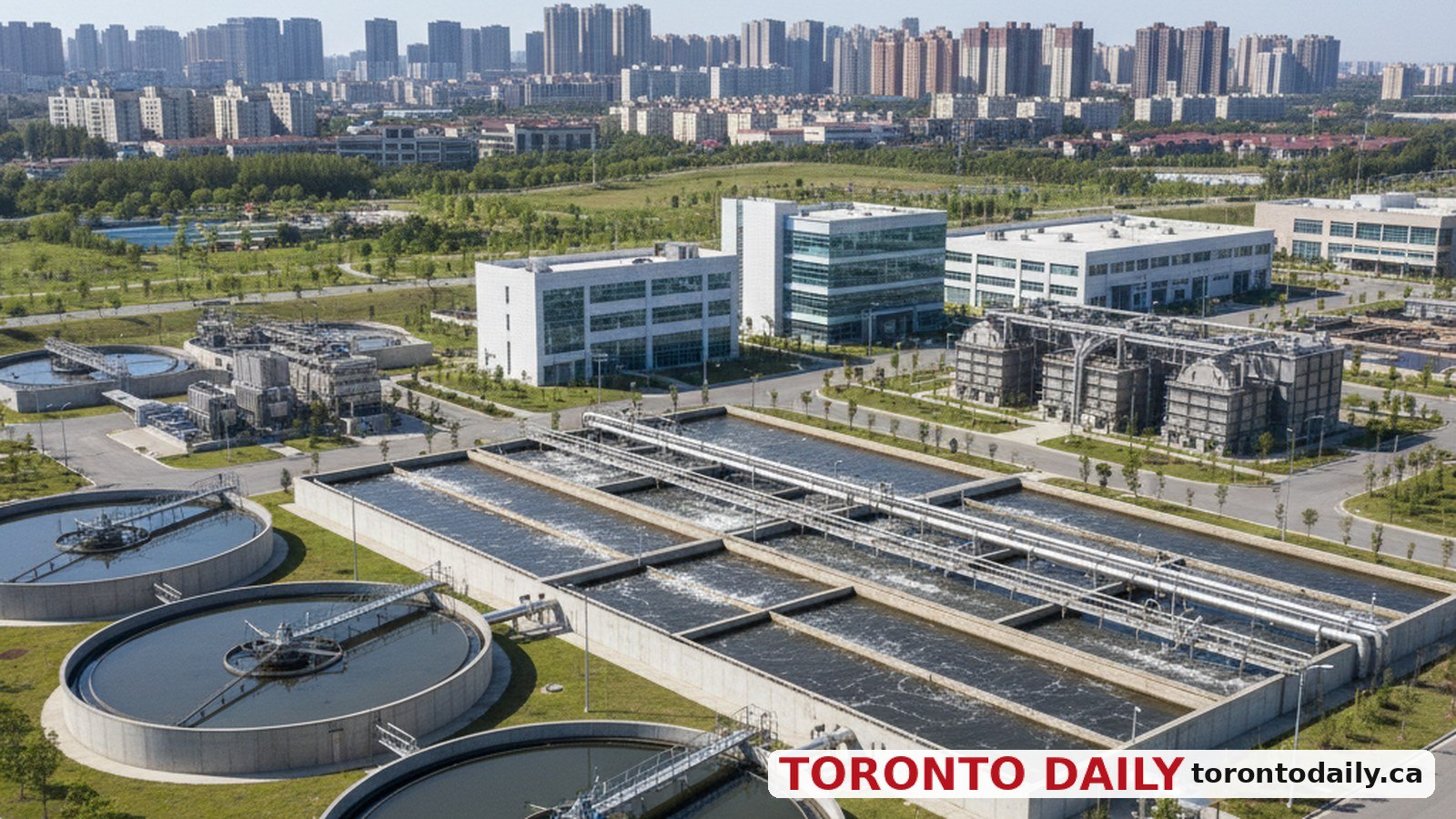
In addition to individual readiness, York Region is strengthening public systems to accommodate long-term population growth and shifting service demands. At the Duffin Creek Water Pollution Control Plant, infrastructure upgrades increased daily treatment capacity from 520 million litres per day to 630 million litres per day.
York Region noted that this additional capacity extends beyond present-day requirements. Upgrading the treatment plant ensures that vital environmental and public health infrastructure can continue supporting communities effectively as populations expand and regional demands evolve over time.
How are residents sharing community resources?
Resilience efforts in York Region also involve finding alternative ways to manage physical resources. Through local Lenderies, residents are provided opportunities to borrow and share household items within their neighbourhoods rather than purchasing products that are only used occasionally.
In 2025, nearly 7,000 items were borrowed or renewed through Lenderies across the region. According to York Region, this initiative helps extend the functional life and usefulness of existing items while actively reducing community waste.
How can residents find out more?
York Region states that these combined actions—student emergency learning, mental health resources, infrastructure planning, and resource sharing—are connected efforts to prepare the community for unexpected challenges. Residents interested in learning more about regional resilience programs and services can visit york.ca/RegionalServices.
According to York Region. Source: York Region
What it means for residents
For residents across York Region, community resilience translates into tangible local programs and upgraded infrastructure that directly impact daily life. In neighbourhoods from Markham and Richmond Hill to Vaughan and Newmarket, students in 238 local schools receive mental health support and emergency response training to better handle personal and community crises. At the same time, regional utility planning ensures that critical environmental systems keep pace with rapid housing and population growth across the Greater Toronto Area. The expanded treatment capacity at the Duffin Creek Water Pollution Control Plant—reaching 630 million litres daily—provides essential wastewater service continuity for local households. Additionally, access to community Lenderies offers households a practical way to borrow tools and equipment instead of purchasing items that are rarely used, directly cutting down household expenses and reducing landfill waste across York Region neighbourhoods.
Frequently asked questions
How many students participated in emergency preparedness education in 2025?
More than 6,300 students across York Region participated in emergency preparedness education in 2025.
What capacity upgrade occurred at the Duffin Creek Water Pollution Control Plant?
Upgrades at the Duffin Creek Water Pollution Control Plant increased treatment capacity from 520 million to 630 million litres per day.
How many items were borrowed through Lenderies in 2025?
Nearly 7,000 items were borrowed or renewed through Lenderies in York Region in 2025.
In how many schools did York Region Public Health support mental health initiatives?
York Region Public Health supported mental health and well-being initiatives across 238 schools.
Source
- York Region: Resilient communities, ready for what comes next [official source] (2026-11-04)
Views: 0
Spotted an error? See our corrections policy.
Published by MELK GROUP LTD, Richmond Hill, ON · info@torontodaily.ca · 437-888-1651