
York Paramedics Beat Targets for Most Urgent Calls in 2025
York Region says paramedics exceeded response targets for sudden cardiac arrest and absent-breathing calls in the first full year of a new dispatch system.
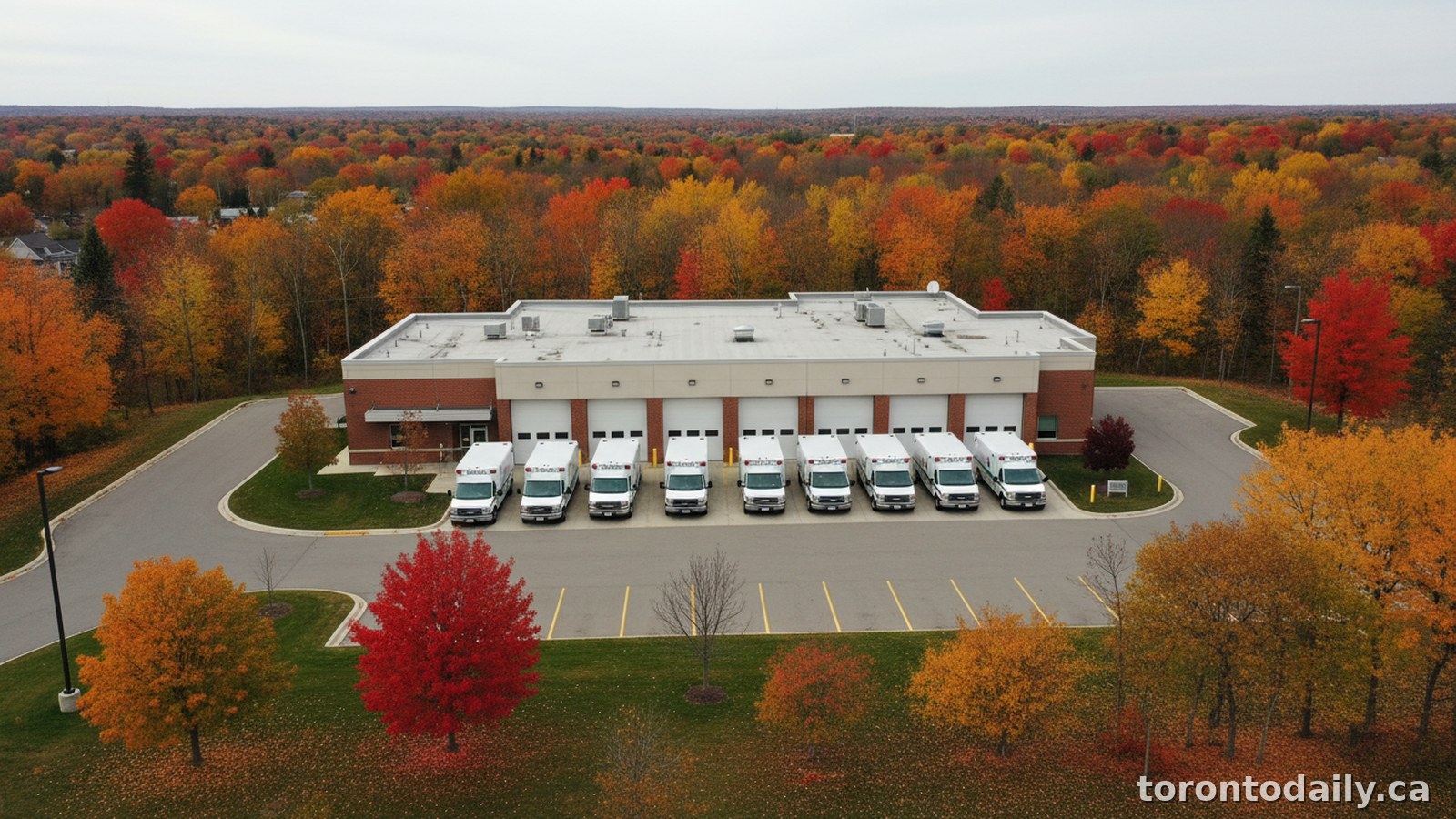
This report by Editorial team is based on information published by York Region.
According to York Region, this update sets out what residents need to know and when it applies.
York Region says its Paramedic Services exceeded response-time targets for the most urgent emergencies in 2025, the first full year under the Medical Priority Dispatch System. The system is designed to identify life-threatening calls more accurately and send resources where they are needed most. Council received the results as an update on how the new model is working in practice.
Key details
- Paramedics responded to 99,150 incidents in 2025, up 3.8 percent from 2024.
- The most urgent calls averaged 5 minutes and 43 seconds.
- Less urgent calls, such as minor ailments or general pain, averaged 14 minutes and 35 seconds.
- Hospital transfer times stayed below the regional target of 30 minutes.
- Eleven of 215 public automated external defibrillators were used in 2025.
- Council has approved paramedic vehicles using dedicated bus lanes for lower-acuity calls.
Planning and next steps
Readers who may be affected should open the official York Region page linked in the Sources box below before they travel, register, apply or change a routine. That linked page is the record used for this report, and it is also the place where the source organization can post a correction, a new time or a change of venue after this article is published. Keeping the source link close to the story matters because transit detours, program registration, health guidance and municipal schedules can move, and a short local report should send residents back to the organization responsible for the service rather than asking them to rely on a summary alone. If a detail is not stated in the official listing, this report does not guess at it; it leaves that point for the source page or for a later update from York Region.
What it means locally
For residents, the headline number matters only in the worst moments, when minutes shape outcomes. The regional update also explains the trade-off honestly: prioritizing life-threatening calls can mean longer waits for minor problems, and York Region says it will keep monitoring the system as population growth and aging push call volumes higher.
What it means for residents
For residents, the headline number matters only in the worst moments, when minutes shape outcomes. The regional update also explains the trade-off honestly: prioritizing life-threatening calls can mean longer waits for minor problems, and York Region says it will keep monitoring the system as population growth and aging push call volumes higher. This local angle is based only on the official source named in this article, and readers should confirm final details on that source page before acting.
Source
- York Region: Paramedic Services improves response times for most urgent calls [official source] (2026-10-17)
Spotted an error? See our corrections policy.
Published by MELK GROUP LTD, Richmond Hill, ON · info@torontodaily.ca · 437-888-1651